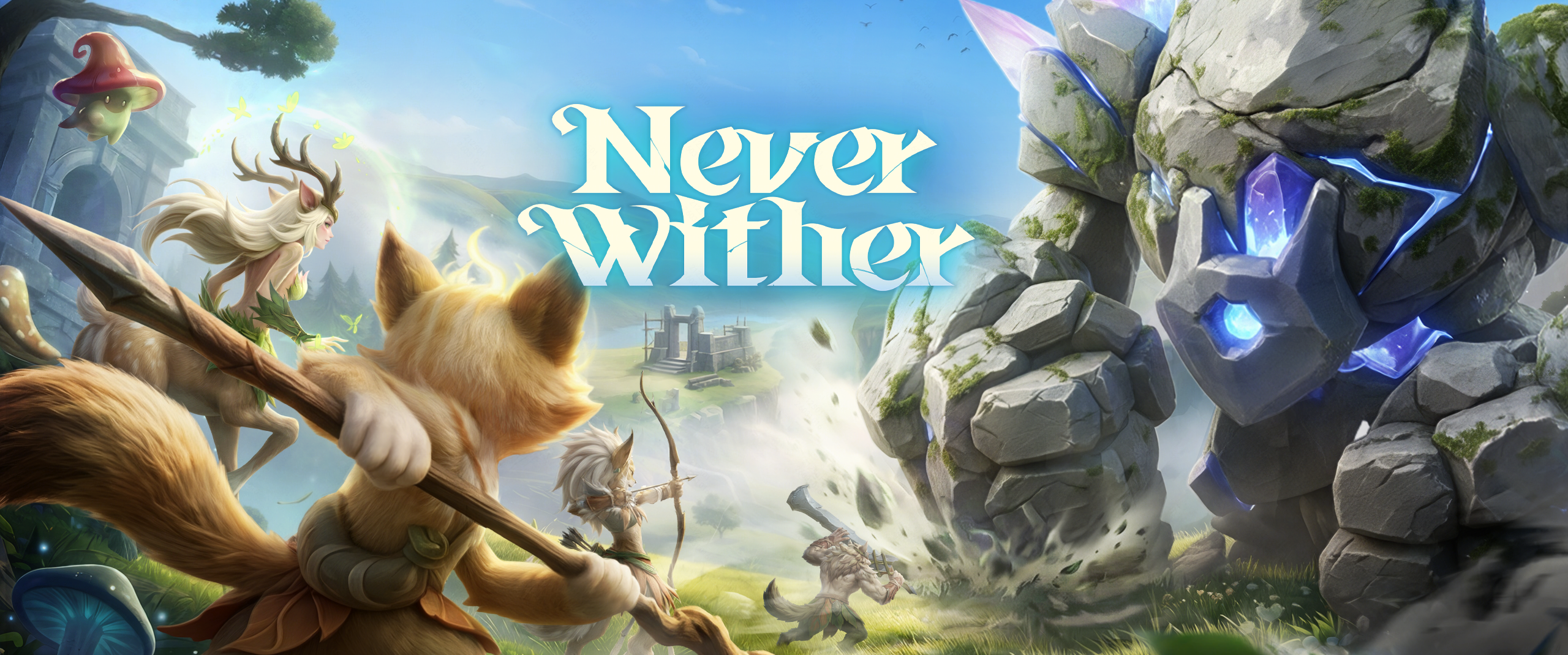

Behind the Design of Environments and Creatures!Never Wither Devnotes 02
Greetings!
Welcome to the second issue of the Never Wither developer log. In this issue, we will take you behind the scenes into our creative process and immerse you in the natural beauty of the game world.
From the initial spark of inspiration to the design of environments and characters, we are excited to share everything we're building. Now, welcome to the continent of Edda!
Note: The content described here is currently in development. As the game continues to be refined, the details in this article may change.
Building the Foundation of a Fantasy World
Our goal is to create a natural world filled with dreamlike atmosphere.
During early brainstorming, the team explored countless directions—from sci-fi epics to historical legends. Each had its appeal, but after lots of discussion, we gradually aligned on a core vision: a nature-inspired fantasy world. We imagined a land filled with mysterious creatures, primordial landscapes, and unknown adventures—much like the worlds we dreamed of as kids. That led us to craft a place where magic, technology, and natural forces intertwine.
We drew inspiration from Celtic and Norse myths, classic fantasy literature, and legendary games.
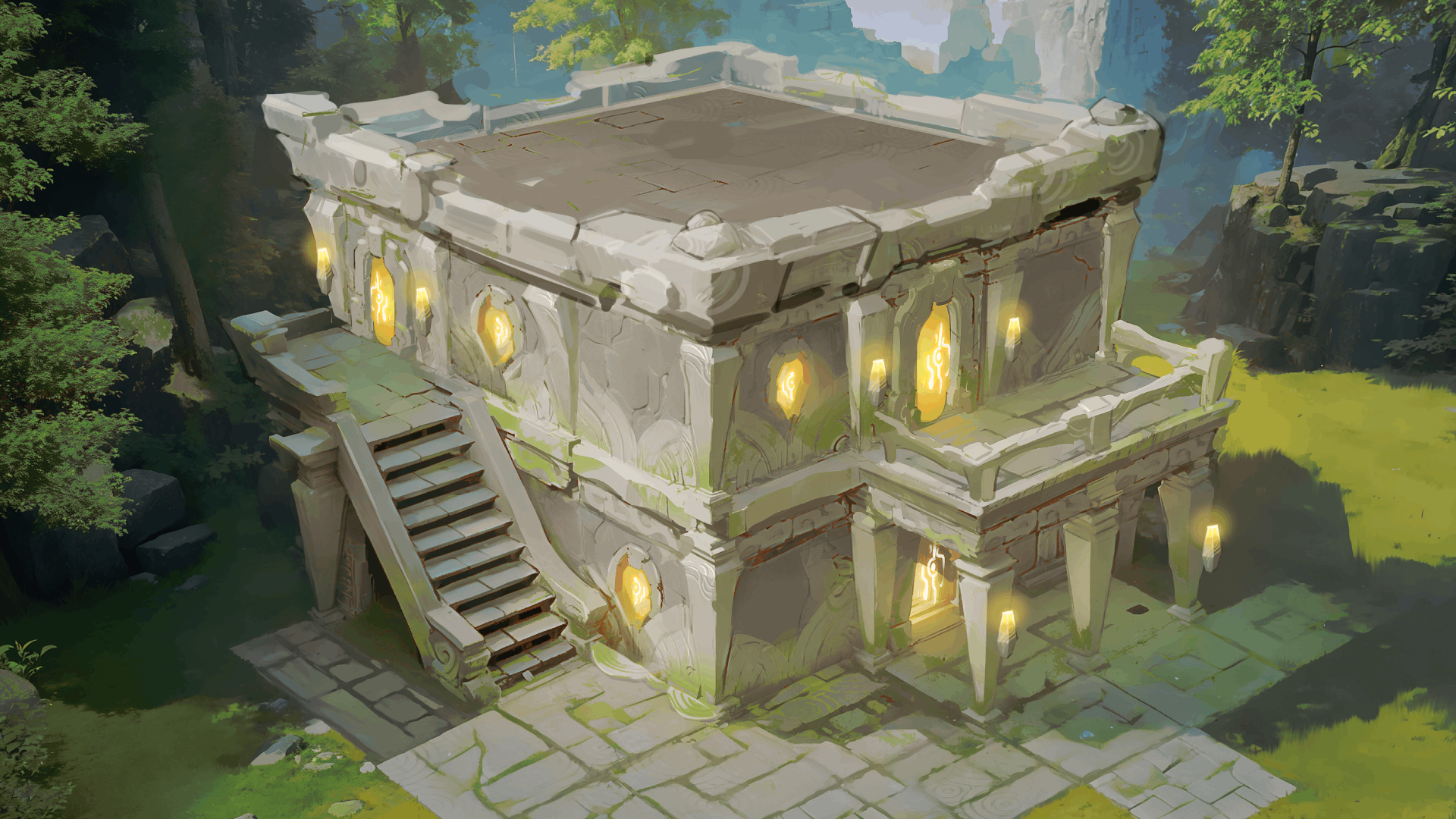
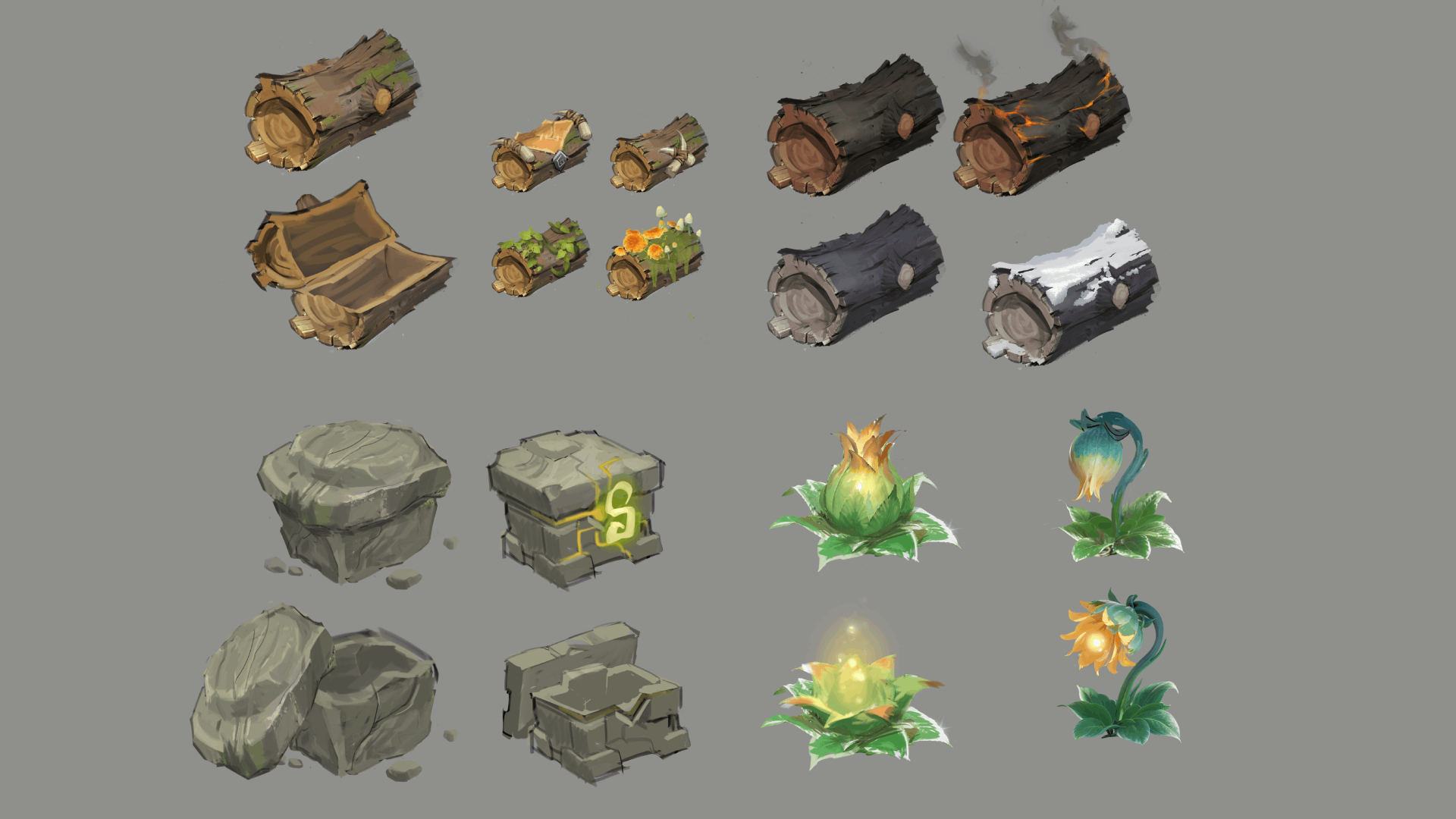
Edda’s art style lands in a semi-realistic fantasy space. We wanted it to feel fresh and beautiful, yet believable—like a vision of a world before civilization rose, or after it fell.
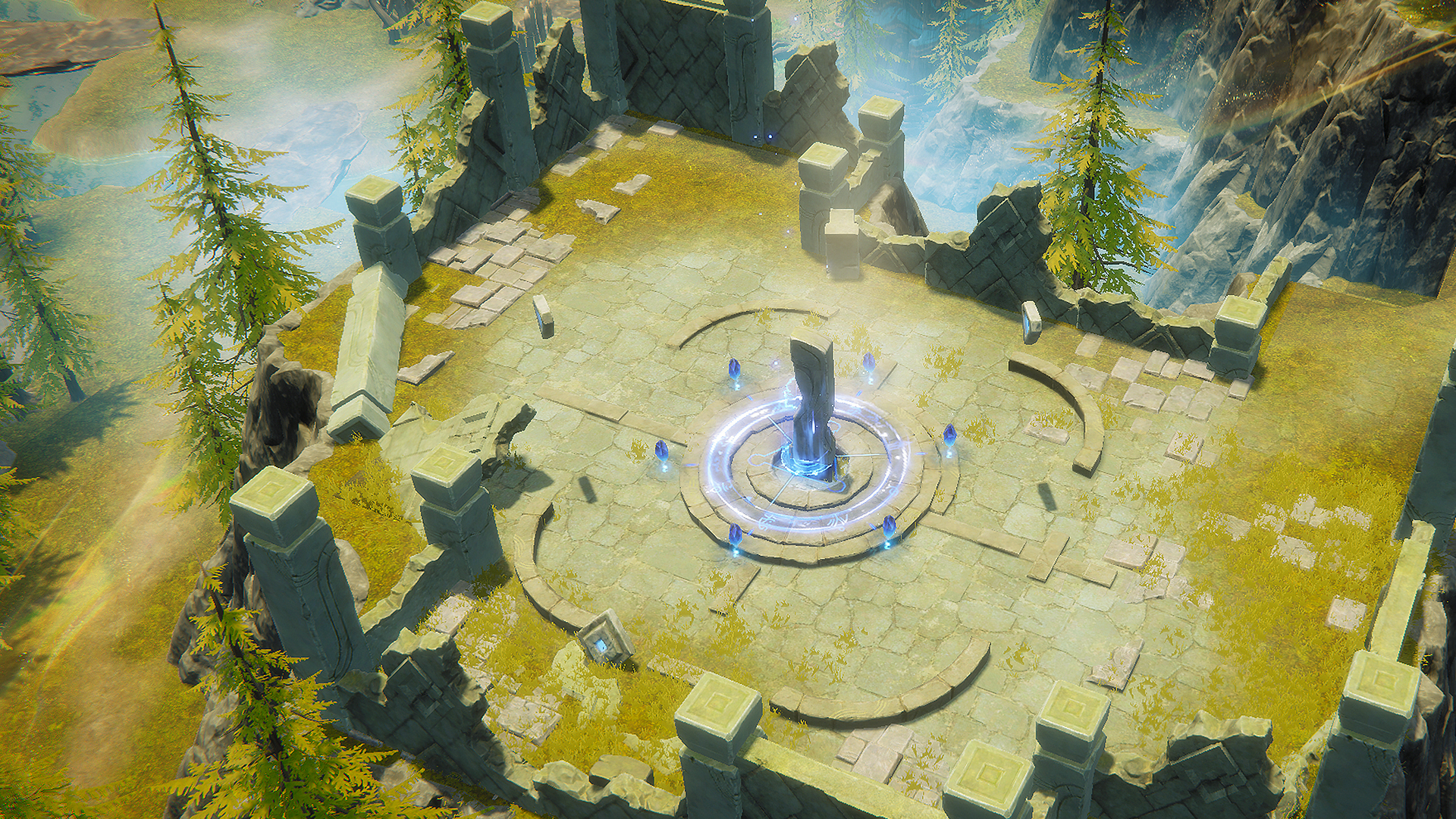
Thus, Edda is formed as a fantasy land buried beneath countless layers of history—ancient and primeval, full of life. Edda is like two sides of the same primordial force: You’ll find peaceful valleys and grasslands alongside boiling lava fields and frozen peaks. The wild and primal energy flows ceaselessly beneath the continent, scattered ruins hold echoes of lost technology and forgotten civilizations.
As the Gardener, you’ll become a pioneer, exploring this ancient continent and establishing your own order.
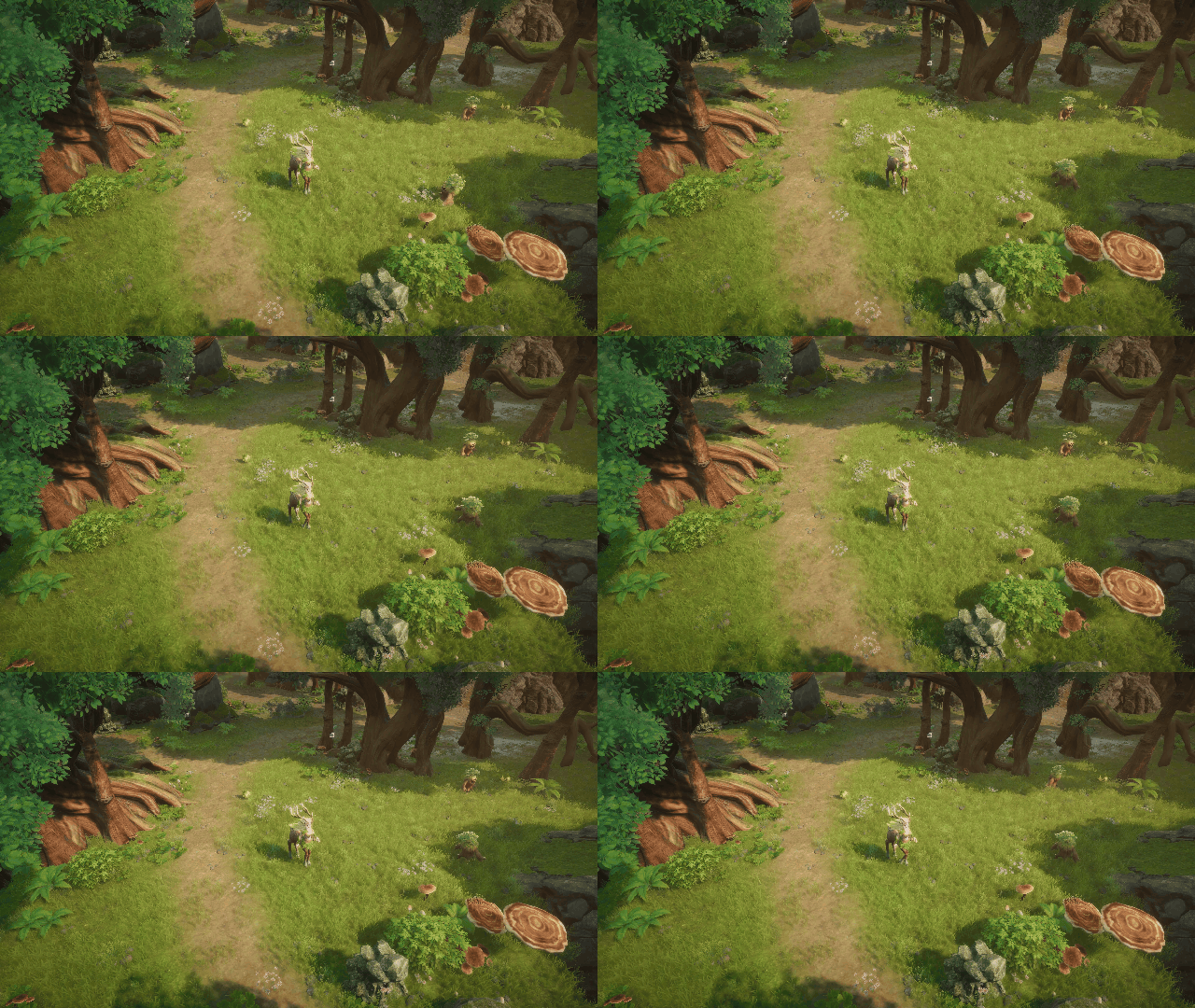
The contrasts between simplicity and complexity, and between the primitive and the civilized, will accompany you all along your journey.
Constructing a Diverse World
When you set foot on the continent of Edda, the Valley will be the first region you encounter. Here, we aimed to blend a sense of vitality with mystery. It shouldn’t be too dangerous or complex, but the atmosphere should pull you in.
In the early development stages, we aimed for a grand, epic feel and designed the valley with a highly realistic and somber tone. However, we soon realized that this made the world feel oppressive and unfriendly. We wanted to create a place where players would enjoy immersing themselves in. Recognizing this, we discarded everything and started over, opting for a brighter and fresher palette.
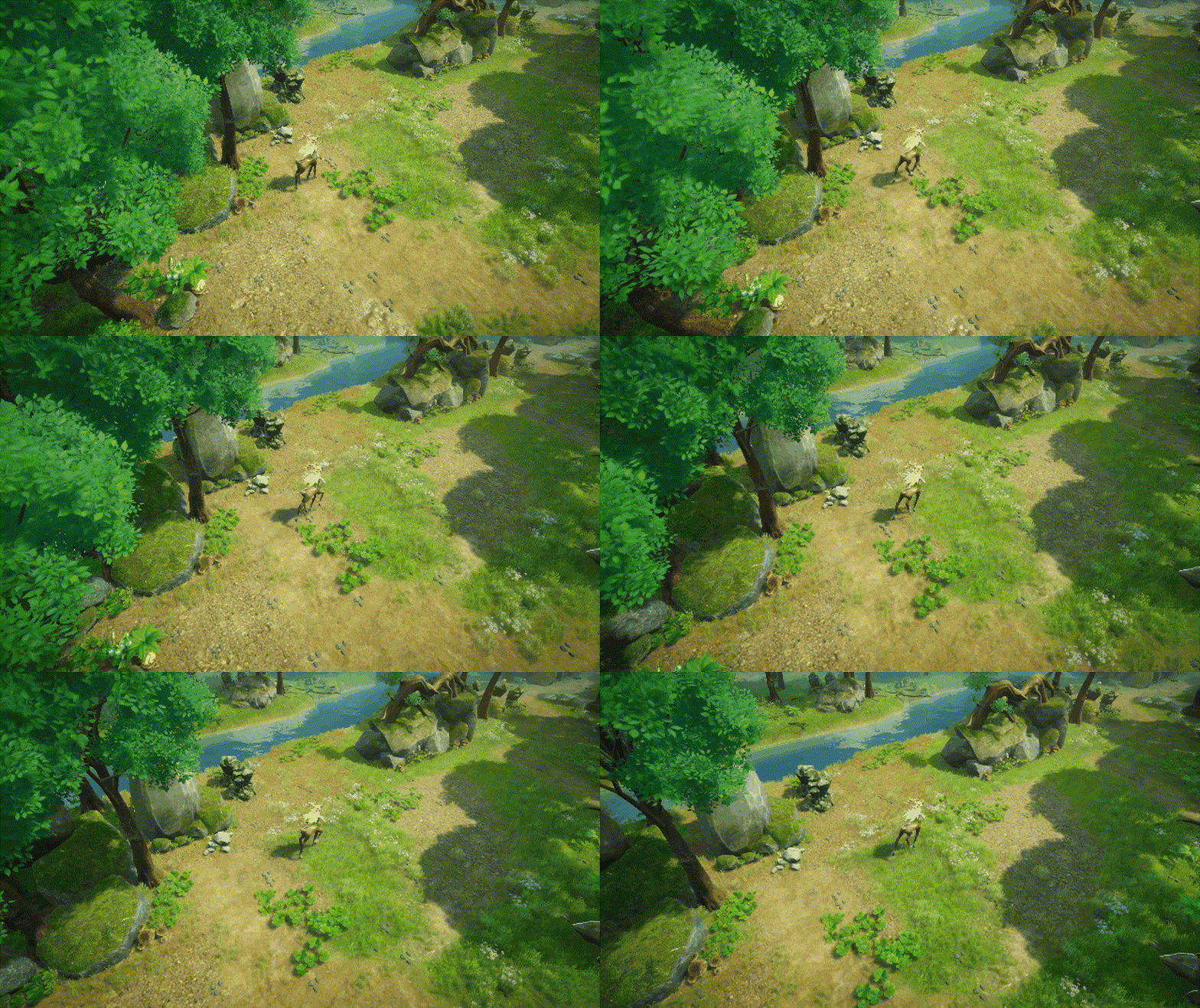
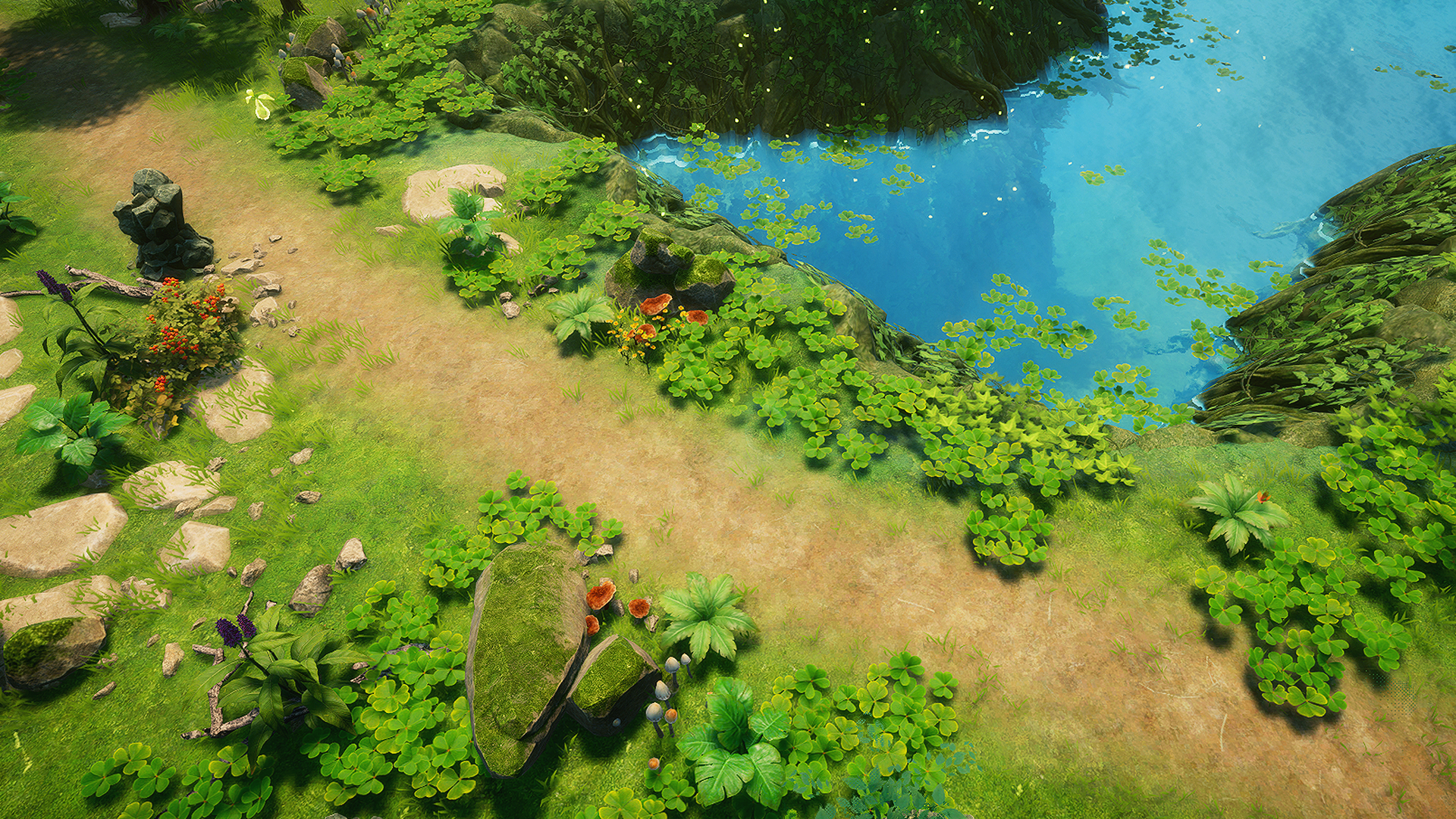
This is the redesigned Valley: forest clearings glow in lime green, deep woods hold darker mystery, and ponds shine in clean blues and yellow- greens. By day, the valley brims with life. At night, unique creatures emerge and the world grows quiet and mysterious.The landscape here is like an ever-changing melody, your mood will rise and fall as you explore.
Passing through the meadows and streams of the valley, you will arrive in the Plateau, where a more solemn theme quickly emerges. Here, the ruins of ancient civilizations dot the landscape, and fierce, untamed wilderness replaces the gentle Valley. You will encounter sheer cliffs, open barrens, ferocious beasts, and Thunder Cedars surging with lightning.
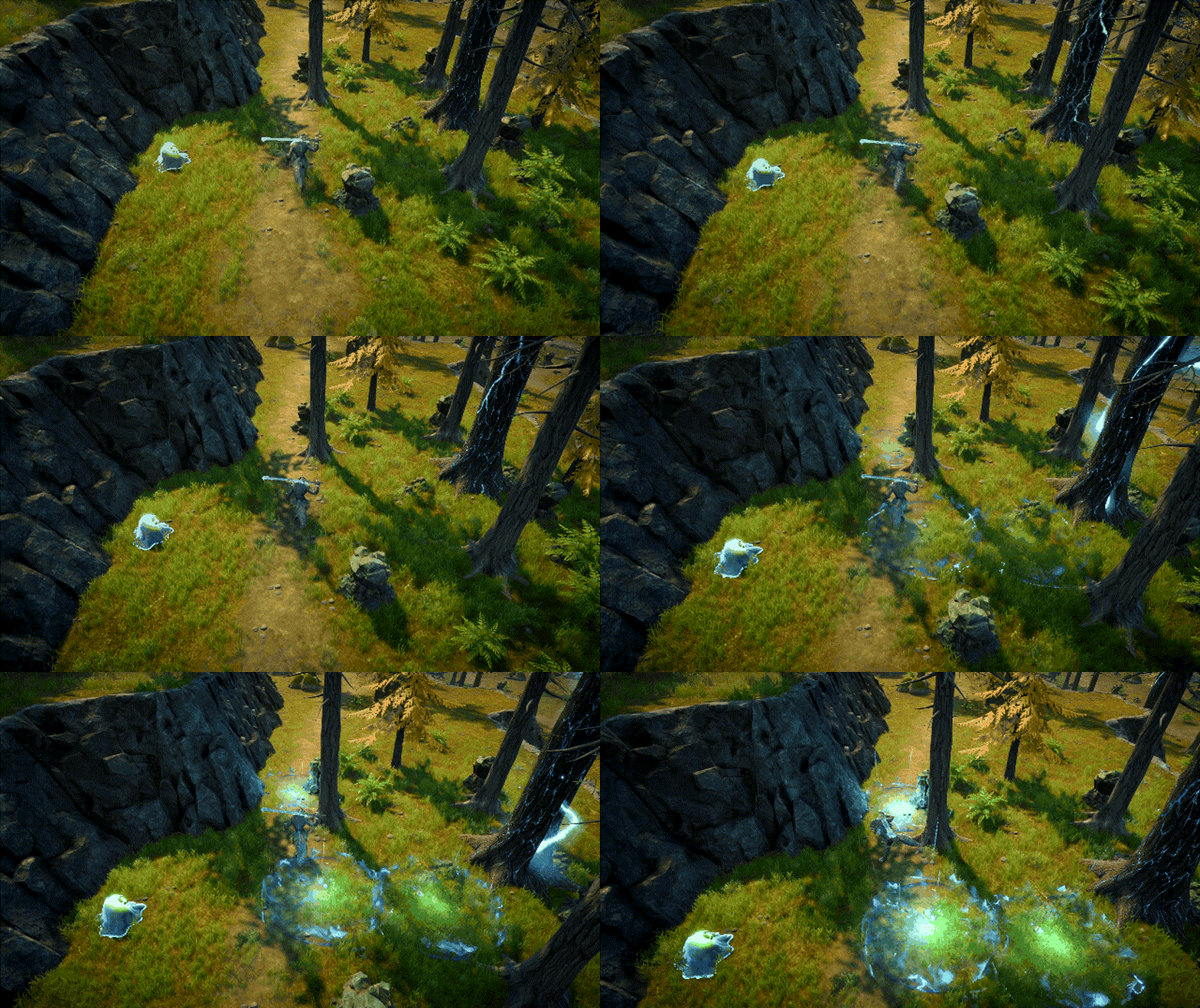
In the temple ruins of the Plateau, you’ll encounter the Relic Guardians for the first time. When the World Tree was corrupted, these guardians fell into a deep sleep. If you can find a way to repair them, these majestic giants can become your companions.
Creatures: The Protagonists of Edda
We made an extremely bold decision. We abandon protagonist-centric design. This time, the character you control is no longer a handsome warrior, a mage, or a vampire; you will find that the protagonist does not belong to any known biological species. We blended concepts like sap, spirits, and shapeshifters together to make the protagonist look unique, pure, minimalist, and ever-changing. It’s a vessel capable of carrying everything.
This was done to visually emphasize the mutable characteristic, matching the gameplay of possessing various creatures. The ambiguous form avoids locking you into one identity, allowing you to focus on the abilities of the various creatures.
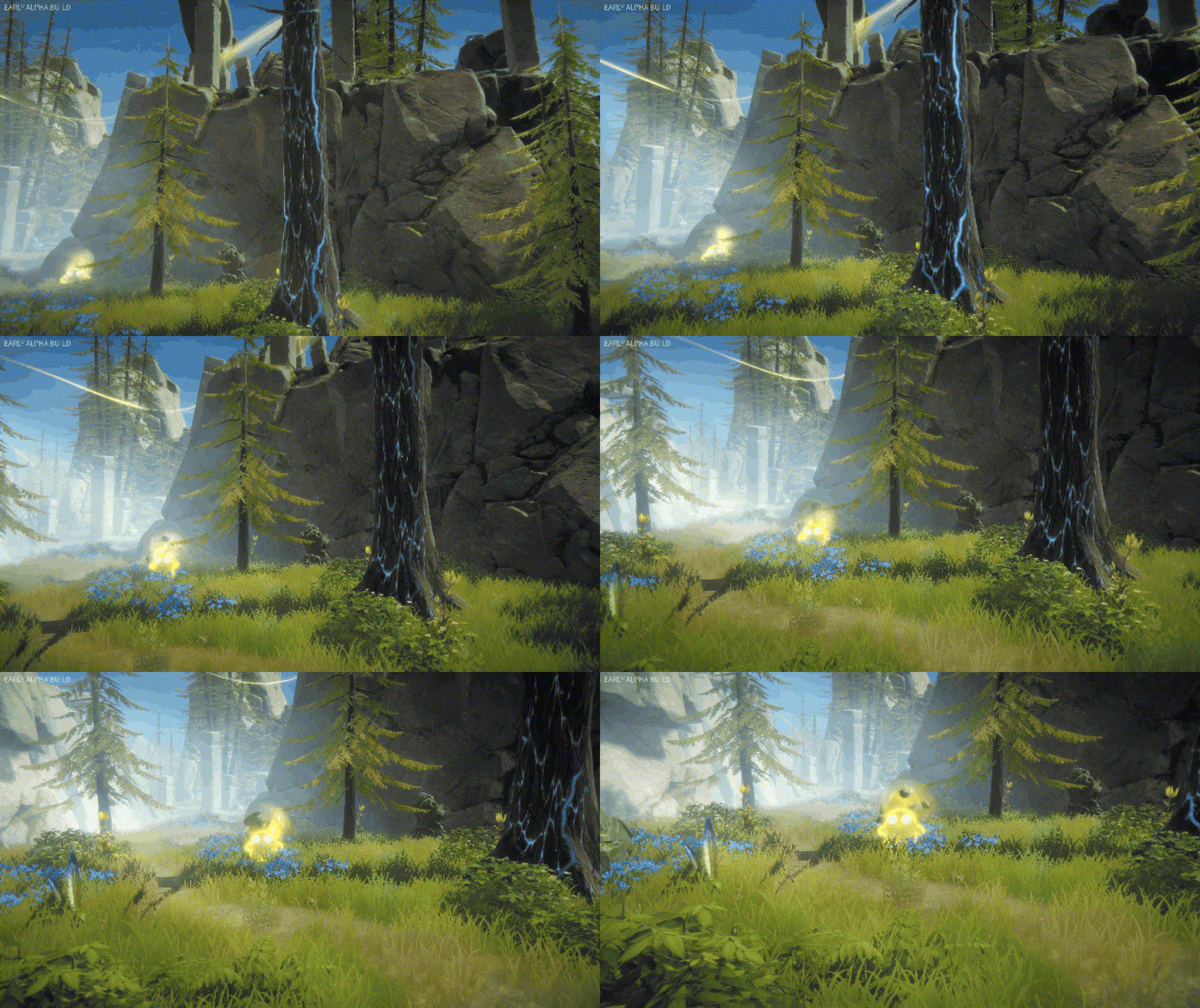
Now, tame and possess almost every creature you see!
In the gameplay demonstration video, you can see many types of creatures, including beasts, the Claws, elemental creatures, and nature spirits. Other very different types of creatures are currently in production (such as the Relic Guardians mentioned earlier); feel free to speculate on them.
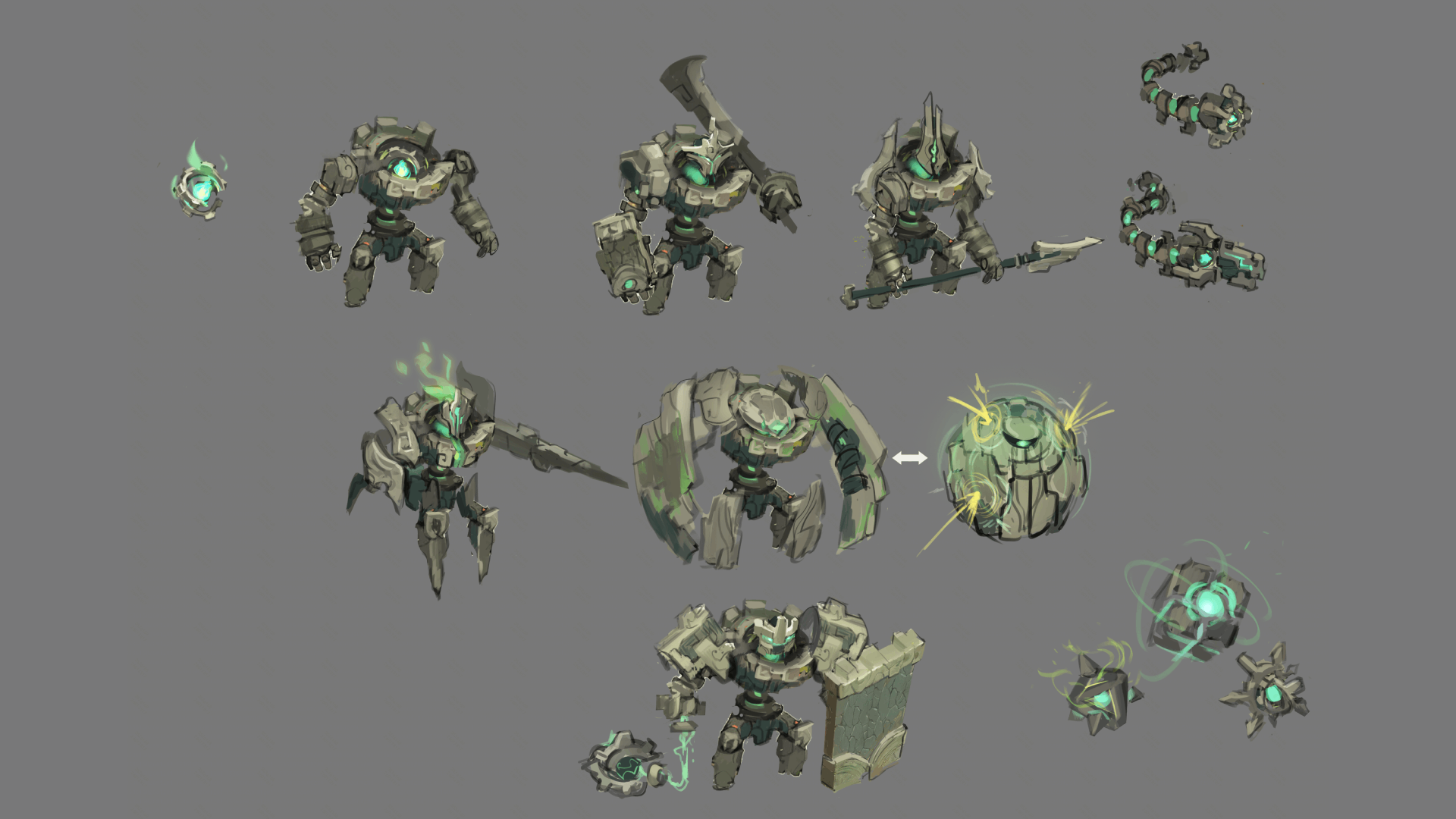
In Never Wither, creatures are not just data units for combat or labor. As part of the world's readability, we want you to be able to judge a creature's general information based on its appearance and movement.
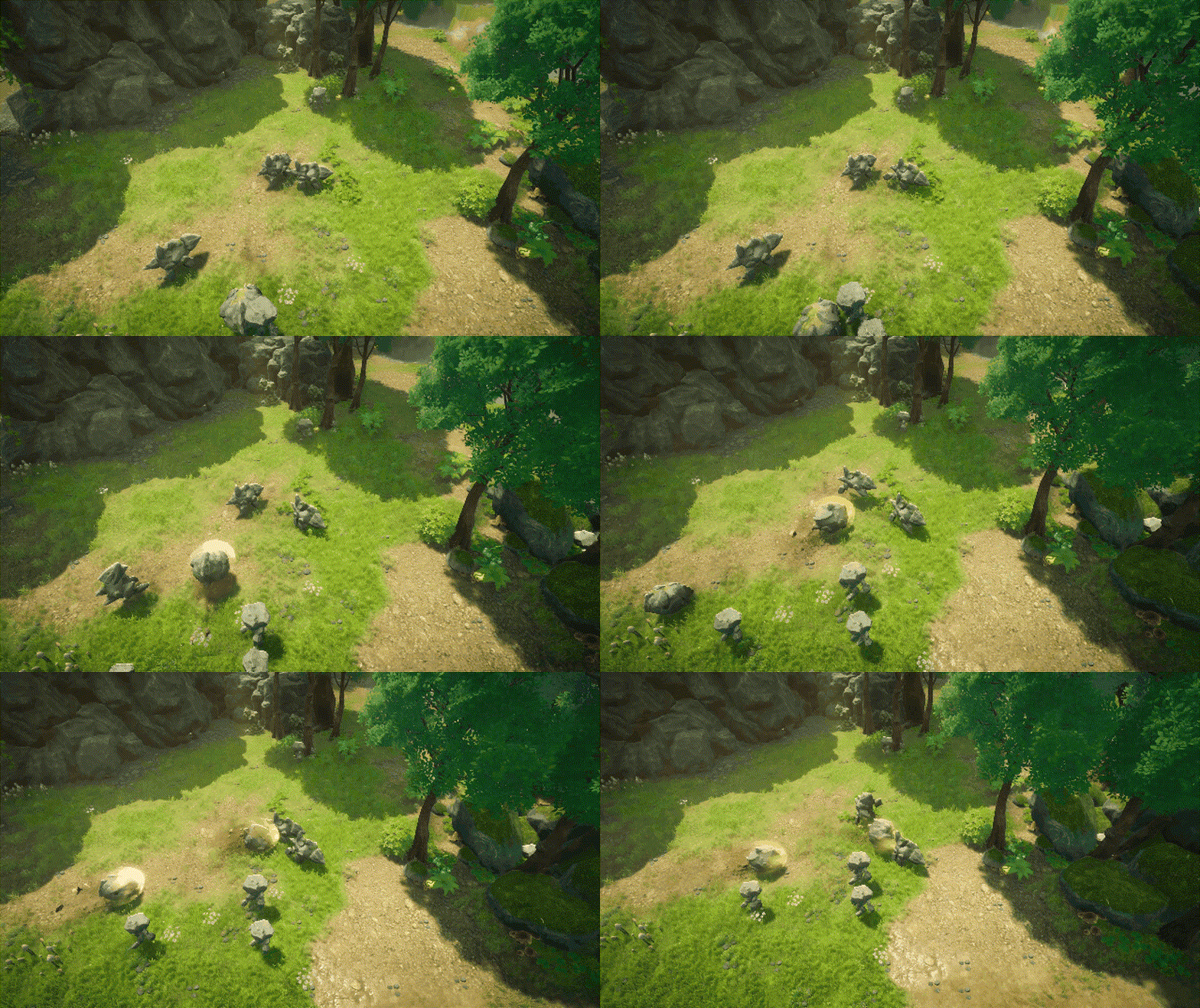
Therefore, we established different visual rules based on biological characteristics. Beyond the basic link between a creature's form and its abilities, we also designed various ecological behaviors for each species. Through their daily routines, you should get a sense of their habits, attributes, and abilities.
A Waterborn might scoop a giant ball of water out of a pond and playfully toss it at a friend; Rock Dogs usually snooze in mine shafts but are sometimes woken up by others to go out and play, turning into rolling stone balls to chase and race each other. Shadow Mantises usually hide in the forest, making them hard to spot, but they might suddenly appear and launch an ambush during your exploration.
Some inhabitants of Edda have more significant social structures. On the plains near woodlands and mountains, you’ll find camps built with fences, tents, and altars. These belong to the Claws.
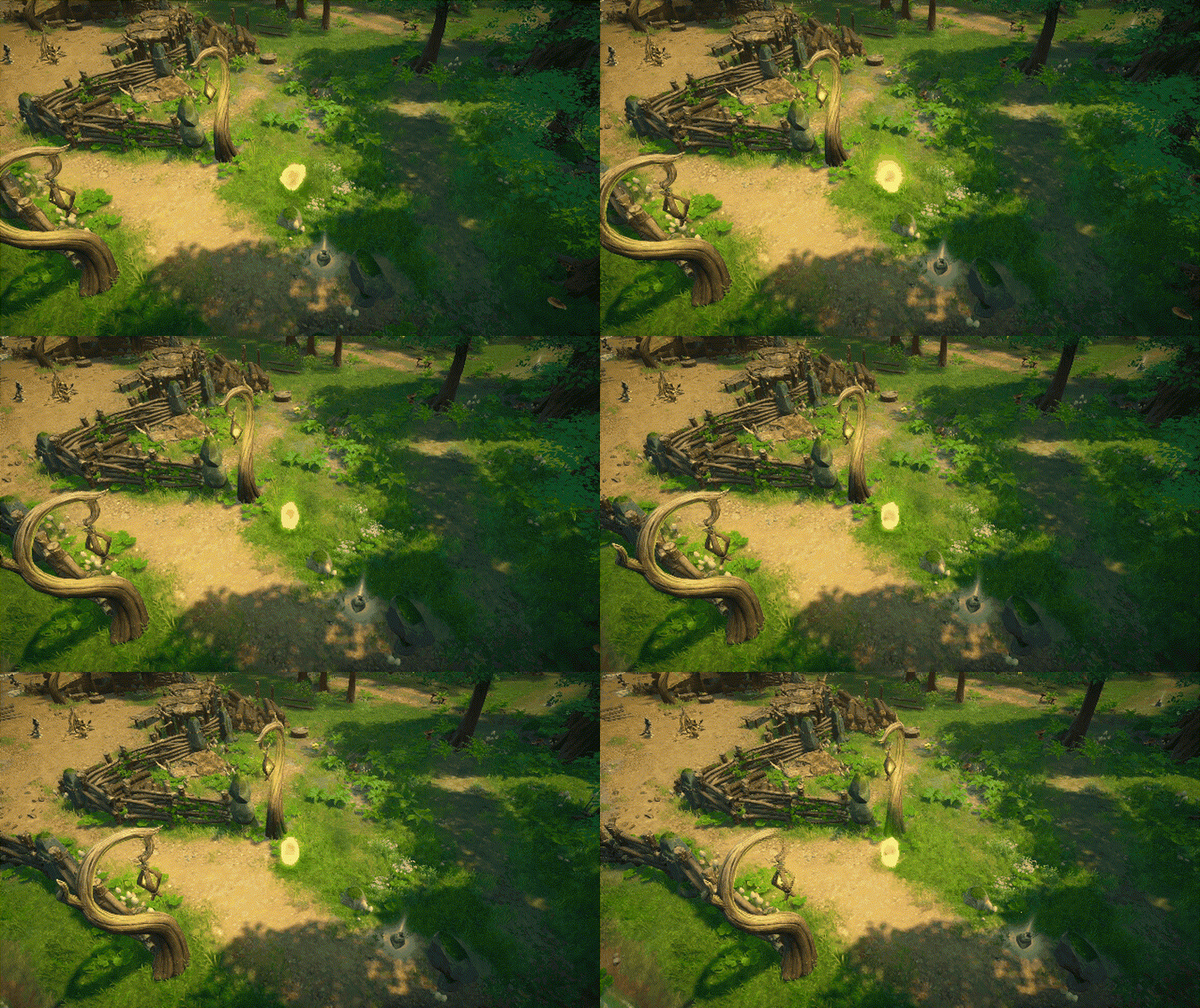
In an ecosystem, predators are essential. We need a group that clearly sits higher on the food chain, one you know not to mess with them. Taming these iconic creatures is always exciting.
We fused together all the cool and dangerous animals we could think of and gave them human-like traits. Thus, the Claws was born. The agility of a cat, the speed of a wolf, the toughness of a bear, the lethal danger of a lynx, and a just-right amount of cuteness constitute the design elements of the Claws. In the Valley, the Claws is the only race that uses tools and builds shelters; we imagine their civilization level to be roughly between the Stone Age and the Bronze Age. As companions, the Claws are high-quality warriors and skilled craftsmen. after all, you won't find other craftsmen here.
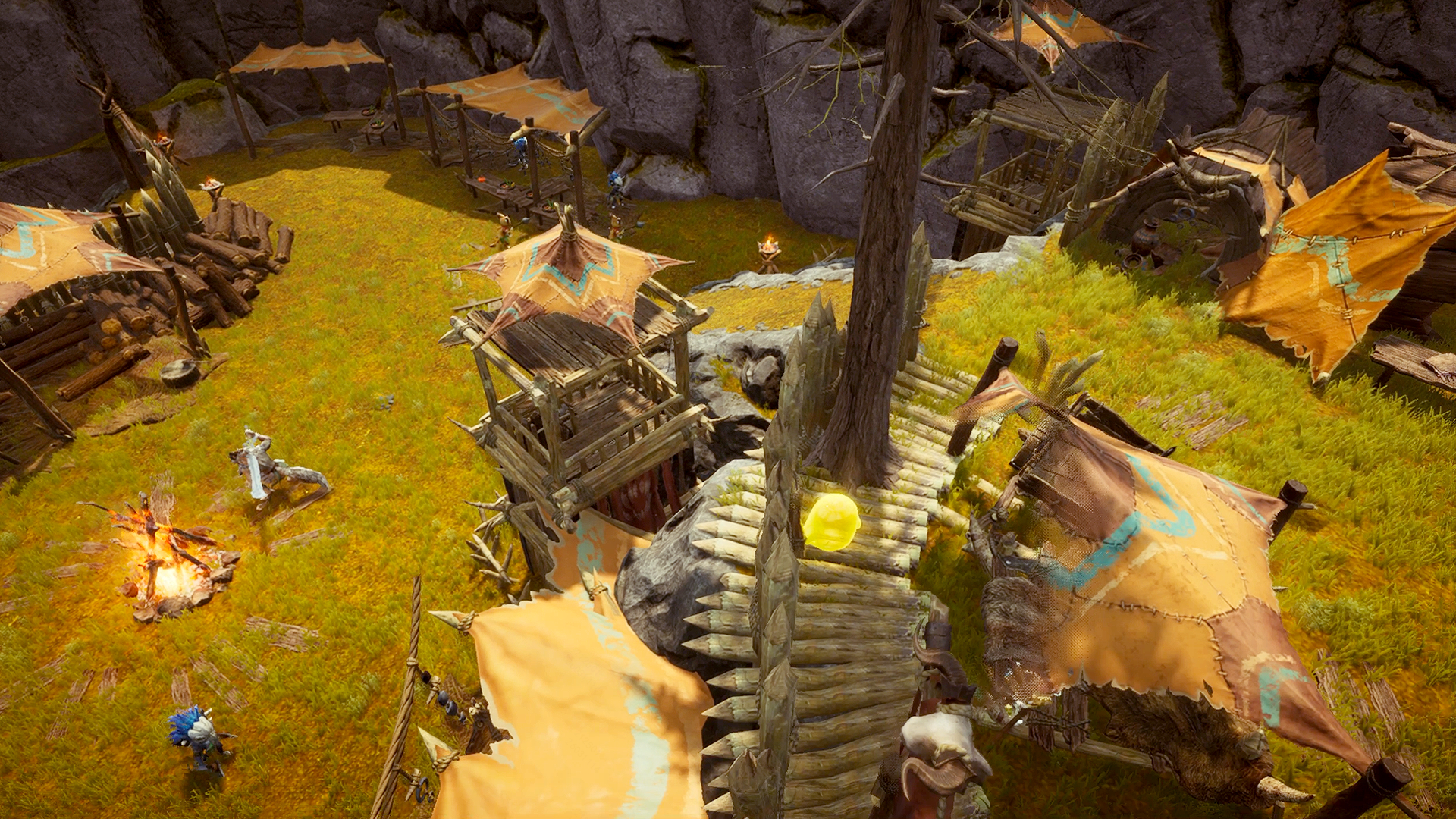
Primitive beliefs and sacrificial cultures have already formed in the settlements of the Claws. You can see monoliths carved with mysterious symbols and various painted fabrics. Their warriors live like heroes from ancient tales. They skilled in hunting, brewing and fighting, challenging powerful enemies to prove themselves as true hunters.
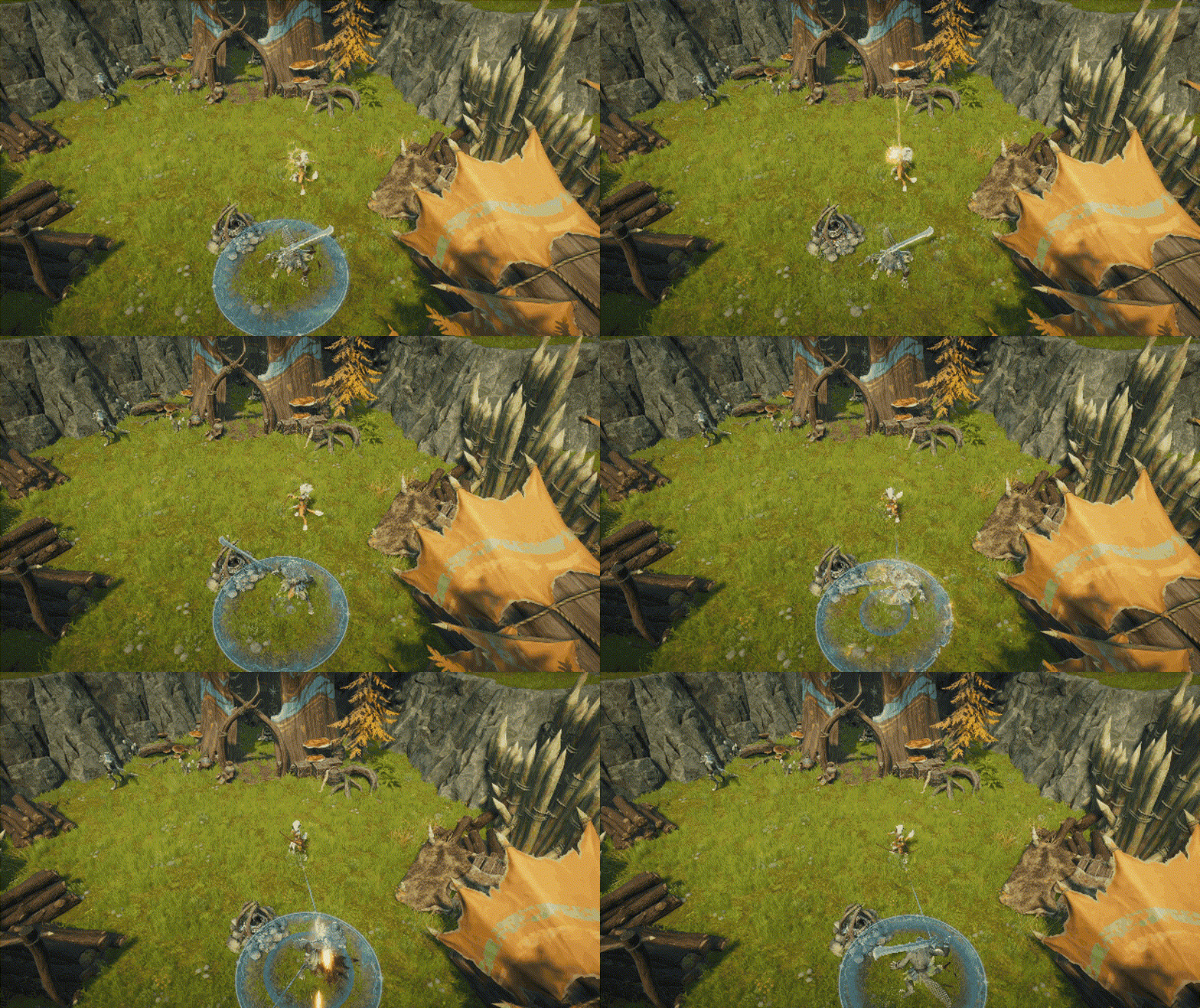
Various creatures were gradually added to the world, but we still felt the world lacked a sense of warmth. So, we gave another type of creature more human-like features.
Nature Spirits are guardians of ancient knowledge and will, endowed with higher intelligence and spirituality. Their humanoid features make them feel less alien and aggressive, more approachable and communicative.
Their movements are accompanied by flowing light particles, falling petals, and swaying leaves; they look like natural energy given form, dreamlike and beautiful.
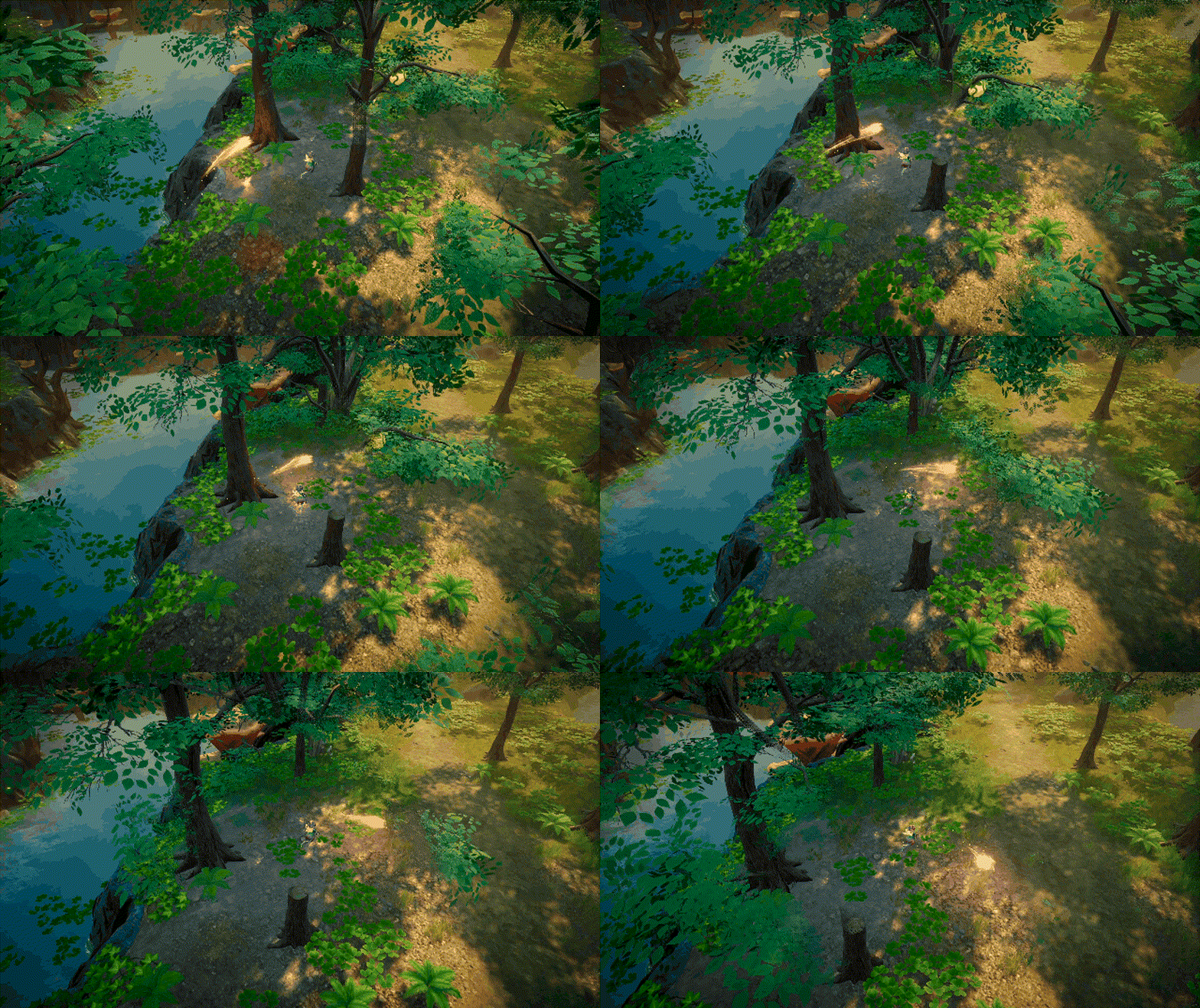
The creatures we are most satisfied with are the Little Stump and the Wolf Warrior.
As the first creature players encounter in the game world, we chose the concept of a friendly forest spirit for the Little Stump. At first, we tried to give him characteristics of a tree nurturer, but this idea was difficult to express through design, and the results were not good. Later, we allowed it grow different fruits, representing the forest's bountiful harvest.
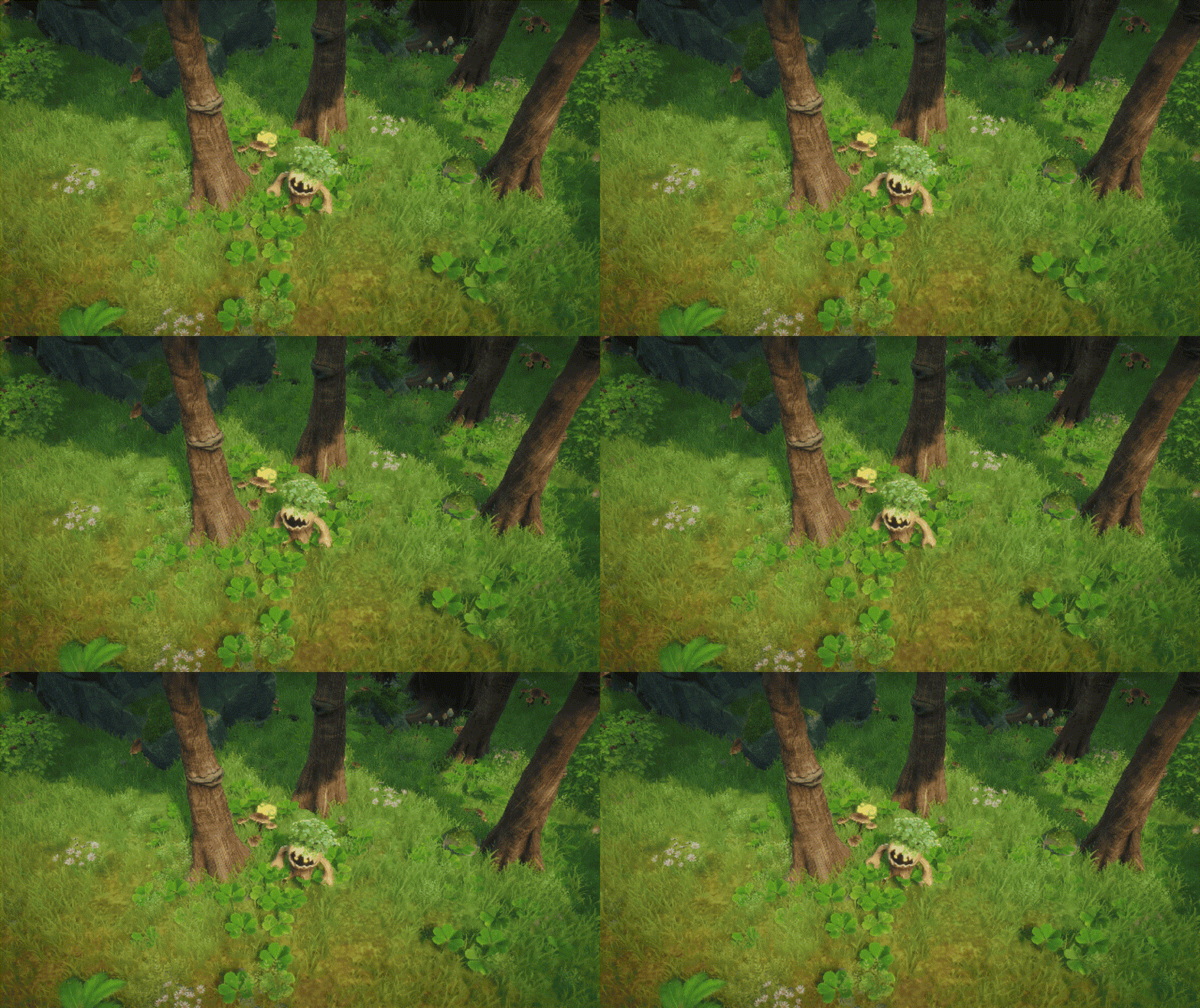
Then someone asked: Why can't the Little Stump itself turn into a tree? Coincidentally, the Purging Berry (the prop for capturing creatures) lacks a logical source in the game. So we expanded the Little Stump’s role: it now produces various fruits and plant materials, even transforming into a production structure. That idea eventually grew into the whole creature-based building system. It was a real breakthrough!
As for the Wolf Warrior—sprinting like a real giant wolf is just too cool!
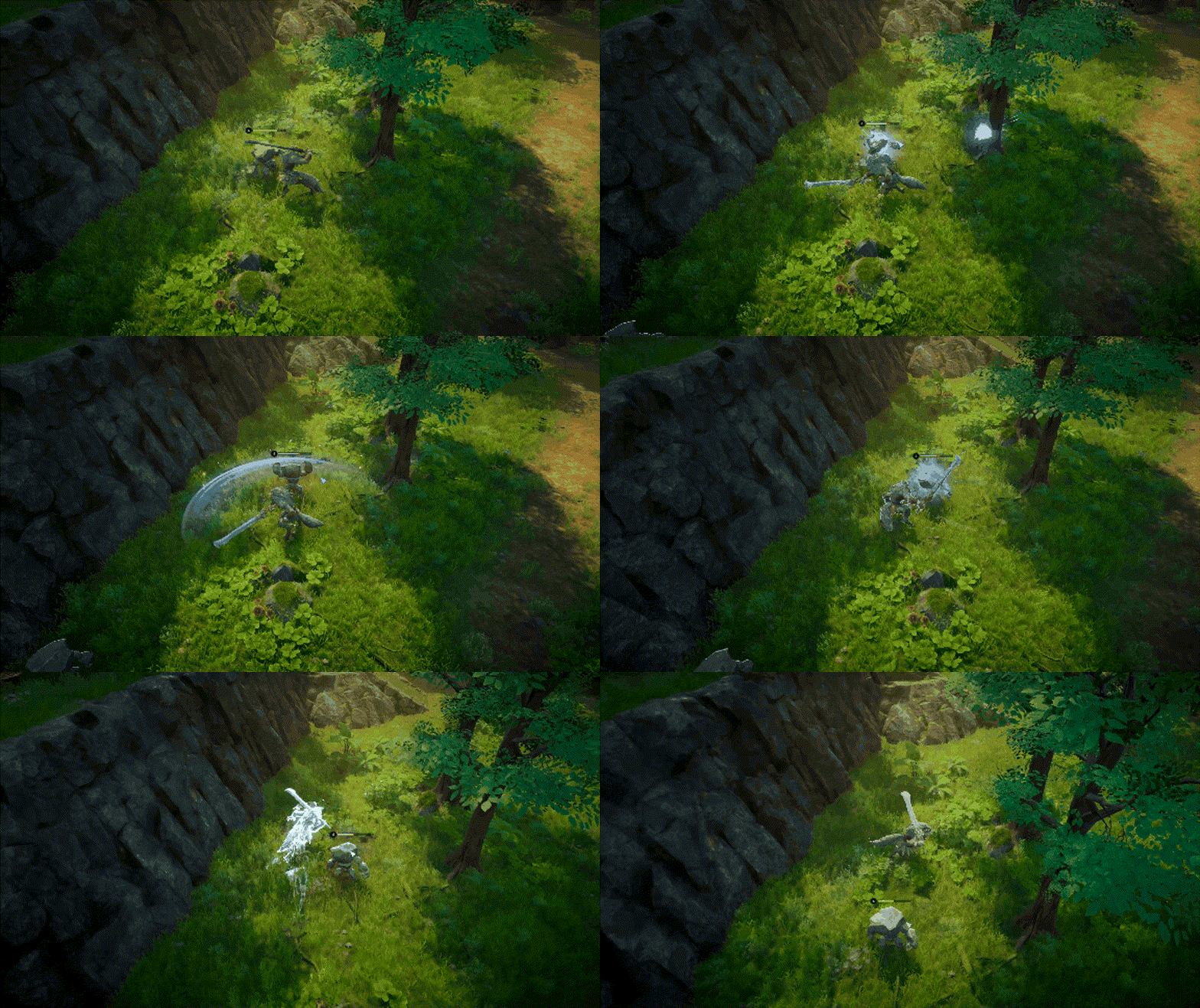
These are some of the thoughts behind the art design of Never Wither. We are trying to use these visual elements to build a world that is both logical and filled with diverse atmospheres.
Which creature introduced in this issue is your favorite? What kind of environments and creature designs do you hope to see in the game? If you have unique ideas, please share your views; it will be very helpful to us. See you next time!
Geo Seed Games
Hot News
- 【News】Never Wither Playtest Scheduled for May 29! Now open for applications
- 【News】Behind the Design of Environments and Creatures!Never Wither Devnotes 02
- 【News】Never Wither: Recent News Roundup | Community Spotlight #2
- 【News】Never Wither Reaches 1 Million+ Impressions! Thanks & FAQ | Community Spotlight #1
- 【News】Developer Log#01 - How Did "Never Wither" Take Root?